About the Department
OVERVIEW
The Department of Political Science is built on a niche that broadly defines “Politics”. Our staff and students are committed to studying, researching and understanding the foundations of political institutions, structures, processes and actors.
Political Science is defined as the study of “who gets what when and how” or “authoritative allocation of values, resources and roles”, emphasizing the human dynamics that build and shape political organizations.
A sound knowledge of Politics is essential to understanding and appreciating how societies are organized, as well as the relationship between leadership and citizenship. It is also vital in understanding the architecture and dynamics of nation-states, governmental and intergovernmental institutions, non-governmental organizations and corporate entities. A study of Politics is not only about the behaviour and choices of states and governing elites; it is also about the role and functions of non-state actors which includes but not limited to citizens, NGOs and corporate organizations. Political Science centres on political theory; comparative politics; political economy; political behaviour, international relations, regional/area studies, organizational studies, citizenship studies, peace and conflict studies among others.
The products of Political Science will be sufficiently equipped to answer both national and international calls. Our students are given sound exposure to theoretical and empirical issues, as well as the imperative of leadership and character development. Our students will be equipped with a sound knowledge of local and global issues, and creative skills of managing scarce human and material resources.
Through its undergraduate programme, the Department trains cadets in the field of Political Science and seek to break the barrier between different shades and strata of society and offer them a serene and interactive environment to study and reflect on issues of national and global importance; to carry out individual and group activities aimed at solving societal problems and above all, to expose them to the appreciation of the Academy’s ethos of valour and loyalty. Of course, the Department’s niche of providing a centre of excellence in politics will be core value of the Department’s entire courses and programmes and, by extension, that of the Academy as a normative and theoretical foundation of this great institution.
PHILOSOPHY
A systematic study of Political science provides: A firm foundation for all-round knowledge of national and global structures and institutions; enhances one’s understanding of social and political problems at various levels of society; stimulates the creative capacities for problem-solving and creative imagination; offers a solid basis for independent and critical thinking; and creates the imperatives for character development and leadership/citizenship training
OBJECTIVES
- To develop cadets/students’ understanding of the concepts and issues that underpin the key sub-disciplines of Political Science including, but not limited to, International Relations, Comparative Politics, Political Theory, Political Economy, Development Studies, Peace and Conflict Studies, Research Methodology, and Science, Technology and Defence
- To stimulate cadets/students’ grasp of theoretical and practical issues in Political Science
- To develop cadets/students’ understanding of social and political problems at various levels of society – national, regional and global.
- To enhance cadets/students’ capacities in critical thinking, and balanced and evidence-based analysis.
- To equip and enhance cadets/students’ skills and capacities in solving problems by developing creative solutions to social and political problems in both global and local contexts.
DEPARTMENTAL STRUCTURE
The Department is headed by the Head of Department (HOD) who oversees the routine management of the Department. He/she is the line manager for all academic and non-academic staff within the Department. He/she ensures teaching quality, staff/student discipline and punctuality, smooth conduct of examination and other academic functions, and represents the Department at Academy level functions. He/she also leads curriculum development and reviews at undergraduate and postgraduate levels. The HOD delegates some functions to members of academic staff: registration, coordination of programmes, examination, research etc. Members of the academic staff are members of the Departmental Board, and discharge individual duties such as teaching, conduct of examination, registration, and counselling.
Academic staff in the department are assigned responsibilities by the Head of Department each Academic Session, and on ad hoc basis. These responsibilities cover those of the Department, Faculty and the Academy. In the department, decisions are made and implemented by the Departmental Board. Some of the responsibilities include the following: Examination, Welfare matters, cadets’ issues, and that of Postgraduate student. Additional responsibilities are given as the need arises.
Programme Directors are members of academic staff appointed by the HOD to coordinate specific academic programmes, at undergraduate and postgraduate levels. There are Committees responsible for specific functions such as Curriculum, Publications, and Examination. Both the Programme Directors and Committees report to the HOD and/or Departmental Board.
OBJECTIVES OF THE PROGRAMMES
A. This programme has been drawn to meet the requirement of the NUC’s approved Minimum Academic Standards, and the National Policy on Education. It has also been designed to:
B. Provide training in the principles of politics, political science, peace and conflict studies and their application to the type of degree programme concerned.
C. Inspire the students intellectually through the programme in such a way that they appreciate the various facets of political science problems.
D. Deliver a solid foundation of knowledge about the working of politics, political science and its institutions and develop the competences for the positive use of such knowledge.
E. Develop in students the capacity to apply the knowledge to the resolution of societal problems and conflicts.
F. Develop in students the skills and competence that would allow them to be self-reliant and dynamic players in the scheme of things.
G. Provide the students with necessary skills for studying politics and conflict matters.
H. Provide the students with the skill-base from which they can proceed to higher studies in politics, peace and conflict studies.
I. Imbue the students with a deep appreciation of the dynamics of politics and political science and the effect of this on wider socio-economic development and societal well-being.
ADMISSION REQUIREMENT AND EXPECTED DURATION OF THE COURSE
The entry requirement in Political Science are: (1) Acceptable minimum score in JAMB and (b) at least a minimum of five credit passes in not more than two sittings, at the SSCE or its equivalent, which must include Mathematics, English Language, Government or History. The minimum duration of the course is four years.
Programmes Offered
Bachelor of Science (B.Sc.) Political Science
This is a four-year programme fully accredited by the National Universities Commission (NUC). The programme conforms with NUC Benchmark and Minimum Academic Standards (BMAS) for Political Science.
Postgraduate Programmes
- M.Sc., MPhil, and PhD in Political Science
- M.Sc., MPhil, and PhD in International Relations and Strategic Studies
- M.Sc., MPhil, and PhD in Public Policy and Administration
- Master in International Affairs and Strategic Studies (MIASS)
- Master in Public Administration (MPA)
- Master in Conflict Management and Peace Studies (MCMPS)
- Master in Policy and Diplomatic Studies (MPDS)
- Master in Strategy and Security Administration (MASSA)
- Postgraduate Diploma in Public Administration (PGDPA)
- Postgraduate Diploma in International Affairs and Strategic Studies (PGDIASS)
- Postgraduate Diploma in Conflict Management and Peace Studies (PGDCMPS)
Department Staff
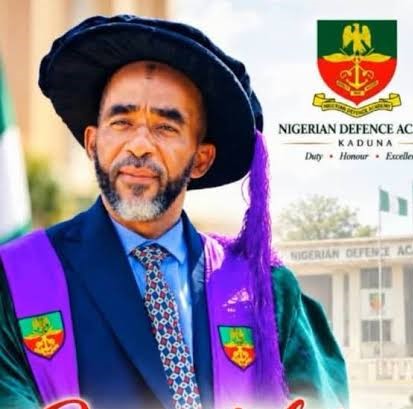

Prof Elizabeth Aisha Bature
Professor
Democracy and Governance, Gender Studies, and Regional Security Architecture.
View Profile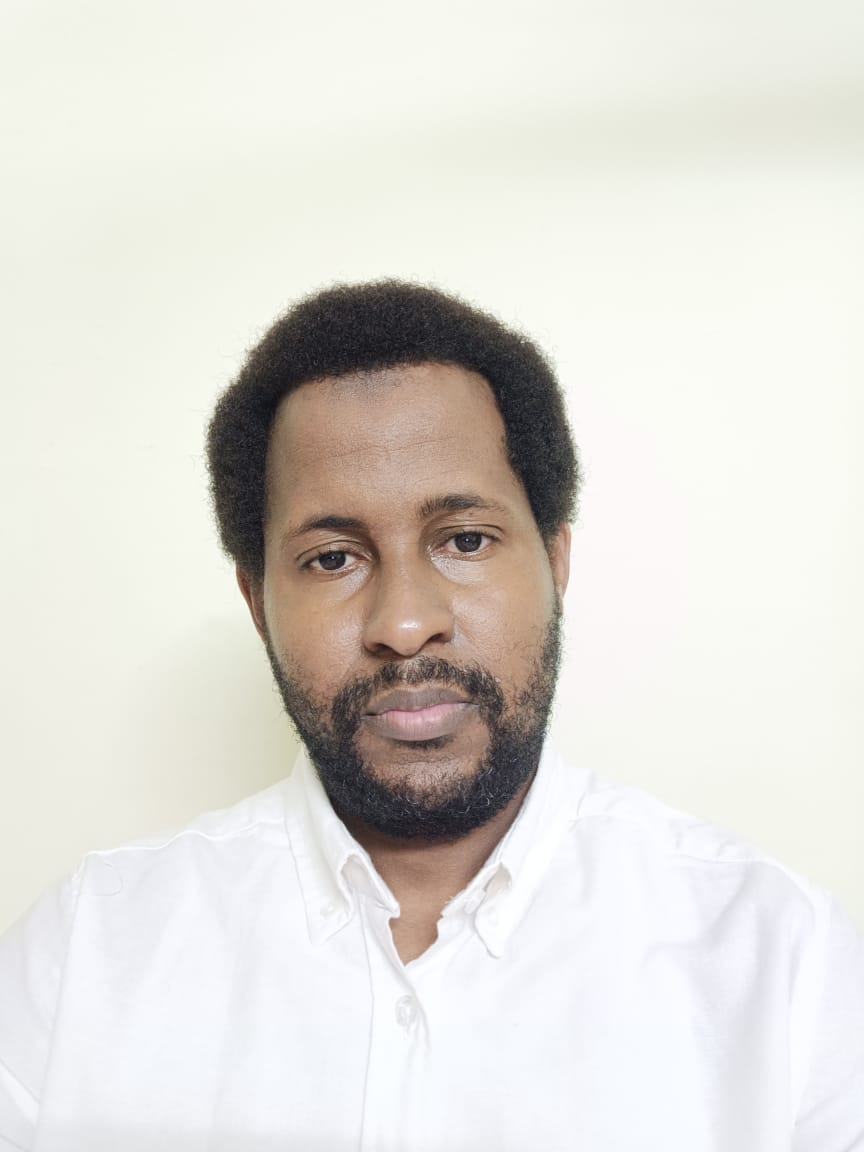
Dr Abubakar Sulaiman Saidu
Senior Lecturer
International Relations, Strategic and Security Studies, and Political Science
View Profile
Dr Aisha Ajoke Abdussalam
Lecturer I
Public Policy Analysis, Conflict Management, and Public Administration.
View Profile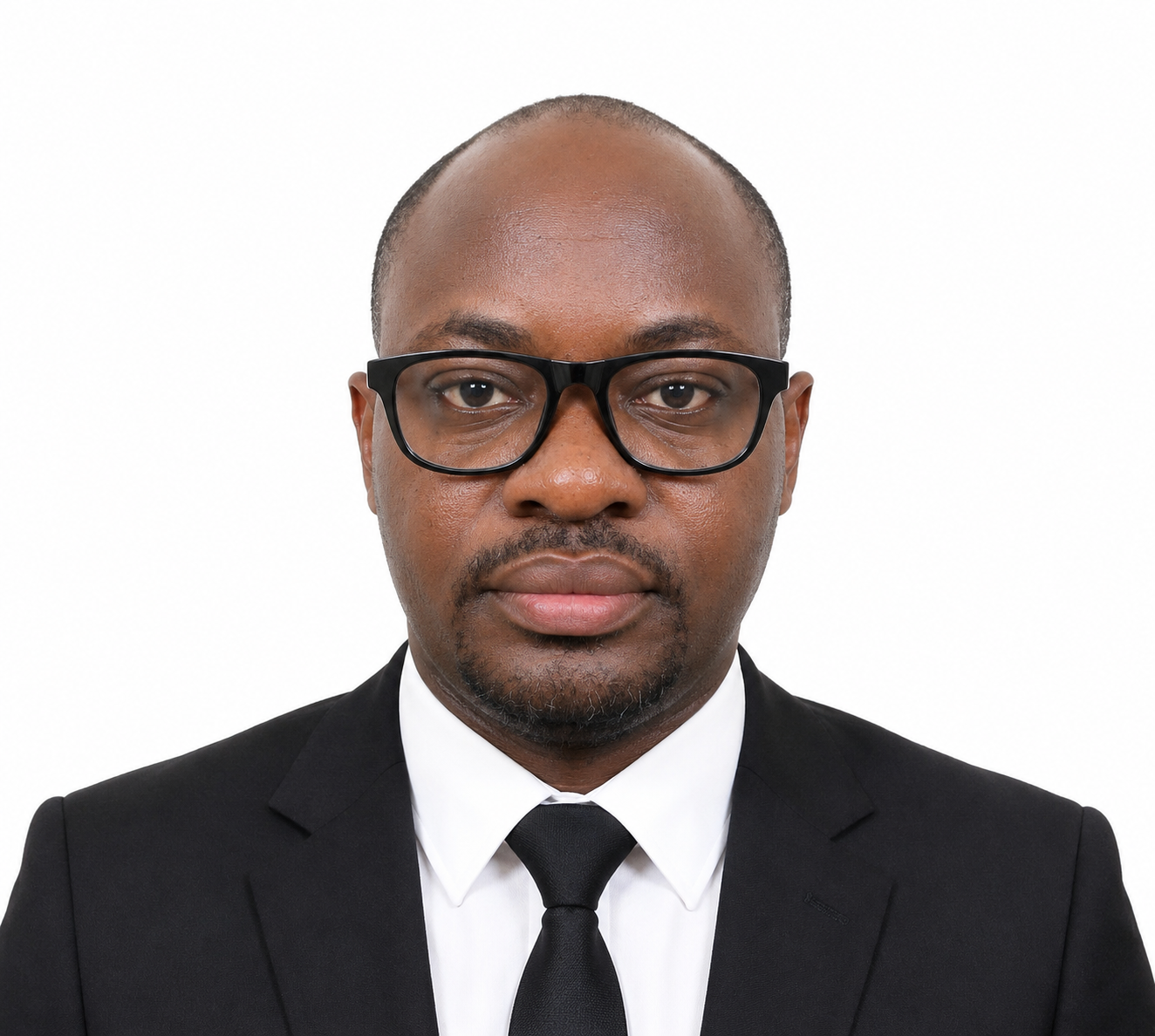
Dr Onuorah Onyeka Leo
Lecturer I
Dr. Onuorah's specialize in Public Administration, with scholarly expertise in human resource management, public sector governance, leadership, and organisational behaviour.
View Profile
Mrs Praise Fisayo Duyile
Lecturer I
Security Studies, Development studies, and Comparative Politics
View Profile

Dr Musa Auwalu
Lecturer II
Political Science; Defence and Security Studies; Human Security and Development: International Politics, Security and Political Economy
View Profile
Dr Ufana Matthew Paul
Lecturer II
Political Economy, Peace and Conflict Studies, Development and Security Studies and Migration
View Profile
Mr Baba Andrew Gaiya
Assistant Lecturer
Peace and Conflict Studies, Human Security and Development Studies, Comparative Politics and Political Economy
View Profile

Mr Lawal Ibrahim Ismail
Assistant Lecturer
His areas of specializations are on Defence and Strategic Studies, Security and Conflict Studies, Governance and Public Policy, International Relations.
View Profile
Mrs Joy Ogwanighie
Graduate Assistant
Public Administration, Public Policy Analysis, International Relations, Political Science Defenceand Strategic Studies.
View ProfileDepartment Info
- Academic Staff
- 13
Parent Faculty