About the Department
WELCOME TO THE DEPARTMENT OF LANGUAGES
“The limits of my language mean the limits of my world.” Ludwig Wittgenstein
At the Department of Languages, we bring the world closer and reach outside to others in the world through language usuage, impartation and linguistic competence in the use of foreign languages to enable prospective officers and students function adequately in a dynamic, contemporary new world. The ability to use foreign language effectively helps a nation to unit and prosper politically and economically. It is important for national cohesion, security and development. Effective and functional use of language for communication helps in protecting the country from external and terrorists’ attacks and other forms of atrocities and criminalities.
In today’s society, multilingualism is necessary and very beneficial. Language, which is a tool for communication, helps to maintain and keep a taproot in global politics and economy. It also helps to increase and enhance cognitive and analytical competences. Thus, it makes a total being.
The Department of Languages of the Nigerian Defence Academy, Kaduna was established in 1997 to run degree programmes in foreign languages as well as render related services to the Academy, the Armed Forces of Nigeria and the country in general. The use of foreign language is not only desirable; it is also indispensable to the Nigerian Armed forces for the purposes of planning, strategizing, intelligence and military monitoring and operations. Just to mention a few.
Furthermore, multilingualism is not only a national or a regional necessity; it is also a continental imperative for the Nigerian nation particularly for her Armed Forces that have recently been confronted with threats to internal security and other forms of criminalities and insurgencies. The nation’s troops are equally called upon from time to time to participate in peacekeeping and peace support operations not only in Africa but also in other parts of the world as the case may be.
The Nigerian Armed forces cannot function effectively or efficiently execute its mandate of ensuring individual and national security and development without conventional tools of warfare as well as competence in the use of foreign language(s). Foreign Languages such as French, Arabic and English are the three major languages pertinent to Nigeria given her geographical location and importance Vis a Vis her immediate neighbors.
PHILOSOPHY
The philosophy of the Department of Languages in the Nigerian Defence Academy is in line with the National Policy on Education in the Nigerian nation. The philosophy is targeted at producing graduates with high linguistically academic, ethical standard and practical exposure for valuable self-well-being, skills development including immediate value for industry with community service in perspective.
OBJECTIVES OF THE DEPARTMENT
- To inculcate in students the basic skills in the study of oral and written language and literature which are essential for human existence and social well-being.
- To acquaint students with the basic structure of English, French and Arabic sentences, clauses and phrases for functional communicative exercises and usage in context.
RATIONAL/JUSTIFICATION OF THE DEPARTMENT
- To train graduates in English, French and Arabic with sufficient knowledge for effective proficient and efficient impact on the society.
- To exhibit their linguistic knowledge, skills and attitudes, which will enable them, contribute to the growth of the society and human development in general.
DEPARTMENTAL STRUCTURE
The Head of the Department (HOD) sees to the running, management and the affairs of the Department. He or she, that is the HOD, manages all academic and non-academic staff of the Department. The HOD sees to it that the teaching quality, staff and students are discipline, carry out their statutory duties and are punctual to work. The HOD also sees to the smooth running and conduct of examination and other academic and nonacademic matters in the Department. The HOD also represents the Department at the Academy functions. He/she also over sees to curriculum development, quality assurance and reviews necessary issues at the undergraduate and post graduates levels. The 5 Postgraduate courses in Arabic, English and French have been proposed and approved, waiting to take off very soon. The courses are BA English, MA, Ph.D French and MA , Critical Thinking. The HOD delegates some functions to members of the Academic Staff in the areas of registration, coordination, examination, research, promotion, etc in the Department. All Academic Staff in the Department are members of the Departmental Board. They also carry out responsibilities in registration, teaching, counseling and the conduct of examination.
In every Academic Session, the HOD gives responsibilities to all Academic staff in the Department which cover activities, duties and responsibilities at the Department, Faculty and that of the Academy in general. Decisions in the Department are considered and implemented by the Departmental Board. Some of the responsibilities include the following: Examination, Curriculum, Welfare, Mentoring and Students matters, etc.
DEPARTMENTAL PROGRAMME DIRECTORS
These are Academic Staff appointed by the HOD to coordinate specific academic programmes. There are also Committees in the Department that are responsible in overseeing specific functions of the Department such as Curriculum, Publications, Mentorship and Examination. Both the Programme Directors and Committees report to the HOD and/or Departmental Board.
DEPARTMENT SECRETARIAT
This is managed by the Departmental Secretary who is a non-teaching staff who carry out every day-to-day clerical and secretarial functions of the Department, which include the processing, and filing of correspondences and minutes of meetings in Department. They also process and document examination matters.
This is a four-year programme fully accredited by the National Universities Commission (NUC). The programme is in conformity with the NUC Benchmark and Minimum Academic Standards (BMAS) for Arabic.
OBJECTIVES OF THE PROGRAMME
- To enable cadets acquire spoken and written competence in Arabic Language.
- To enable cadets through competence in Arabic Language appreciate African history, culture and civilization before and after the colonial era, much of which is recorded in Arabic Language.
- To acquaint cadets with the socio-cultural, religious, economic, commercial, political and diplomatic aspects of the life of the speakers of the language with a view to promoting international understanding pertaining to peace, resolution and dialogue, especially in the areas or defence and security
- To equip cadets with adequate training in the fields of teaching, translation, interpretation, administration, journalism, diplomatic and intelligent services.
- Providing cadets/personnel who are well proficient in the language enabling them to face and tackle all sort of challenges pertaining the language and the speakers of the language especially in the areas of defense, security, intelligence gathering and diplomacy
- Enhancing Nigeria’s role as a leading country in Africa through its contribution in Peace-Keeping operations and other aspects of defence.
ADMISSION REQUIREMENT AND EXPECTED DURATION OF THE COURSE
The entry requirements in Arabic are (a) Acceptable minimum score in JAMB and (b) at least a minimum of five credit passes including Arabic in not more than two sittings, at the WAEC/NECO or its equivalent, which must include Mathematics and English Language. The minimum duration of the course is four years.
OBJECTIVES OF THE PROGRAMME
- To produce competent cadets who are versatile in French and who can function effectively both nationally and internationally
- Train cadets to acquire adequate communicative competencies in both oral and written French and thus be able to function effectively in roles such as Military Attachés to Francophone countries.
- Prepare cadets for immediate engagement in the military as translators and interpreters, as well as in the diplomatic and public relations units of the military services.
- Equip cadets with the requisite skills needed for duties of language instruction in the services of the Nigerian Armed forces.
ADMISSION REQUIREMENT AND EXPECTED DURATION OF THE COURSE
Prospective candidates who should not be above 21 years of age are expected to have a minimum of 5 credits which must include English, Mathematics, Literature and any other Social science subjects in WAEC, NECO, GCE O Level or Grade II Teacher’s Certificate Examinations at not more than two sittings. The minimum duration of the course is four years.
Programmes Offered
- B.A. French (critical for regional integration within the francophone West African sub-region and ECOWAS military operations)
- B.A. Arabic (essential for regional security analysis, counter-insurgency translation, and Middle Eastern/North African defense diplomacy)
A. Academic Postgraduate Tracks (MA / MPhil / PhD)
These programs dive deeply into advanced linguistic analysis, historical literature, and critical language applications in security:
- M.A. English (Specializations in Literature or Language)
- M.A. French
- M.A. Arabic
- MPhil Arabic
- PhD Arabic
B. Professional Postgraduate Tracks (PGD / Master)
Designed specifically for intelligence officers, defense attachés, security administrators, and civilian managers seeking practical executive competencies:
- Postgraduate Diploma in English and Literary Studies (PGDELS)
- Postgraduate Diploma in French (PGDF)
- Postgraduate Diploma in Arabic (PGDA)
- Master in Critical Thinking (MCT) – Anchored through the department's Center for Critical Thinking, Teaching, and Learning, focusing on advanced strategic analysis.
- Postgraduate Diploma in Critical Thinking (PGDCT)
Operational Context: In addition to these formal degree-awarding programs, the department acts as a foundational training hub providing short-term proficiency courses in domestic and foreign languages to enhance the tactical communication capabilities of the Armed Forces of Nigeria.
Department Staff
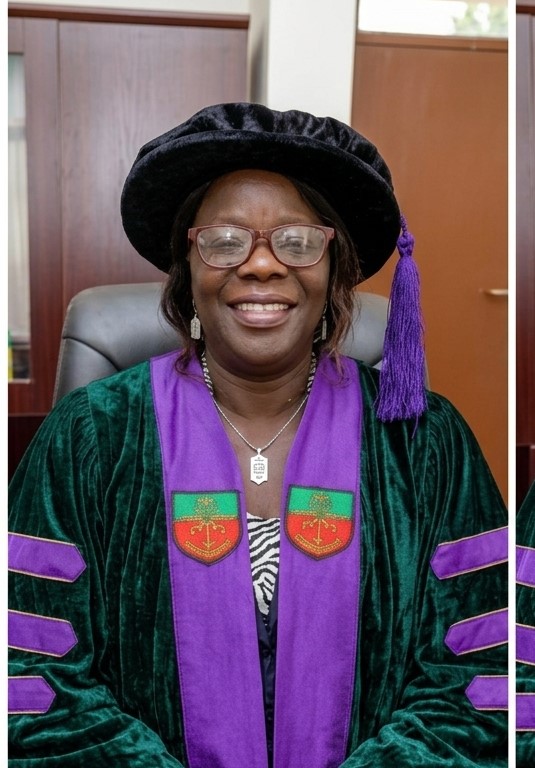

Prof Ibrahim Abubakar Imam
Professor
Arabic Linguistics, Classical & Modern Arabic Literature, Foreign Language Pedagogy
View Profile
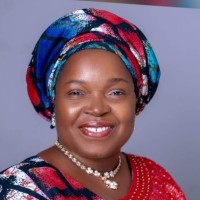
Prof Caroline Obiageli Emeka Ogbonna
Professor
Critical Thinking Pedagogy / Educational Research Methodology / Communication in English
View Profile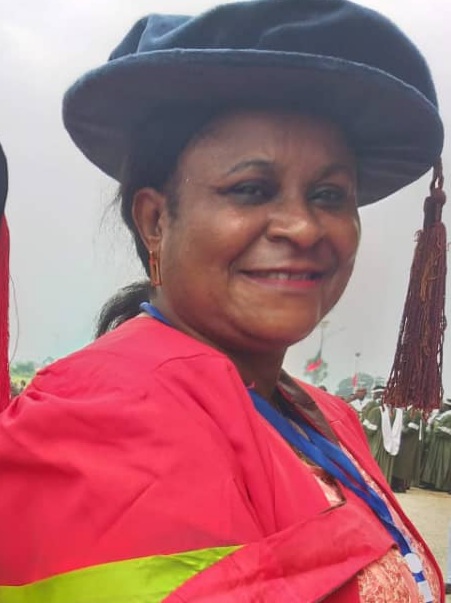
Prof Enukora, Nwakaego Elizabeth
Professor
English (African Literature) with emphasis on poetry
View Profile
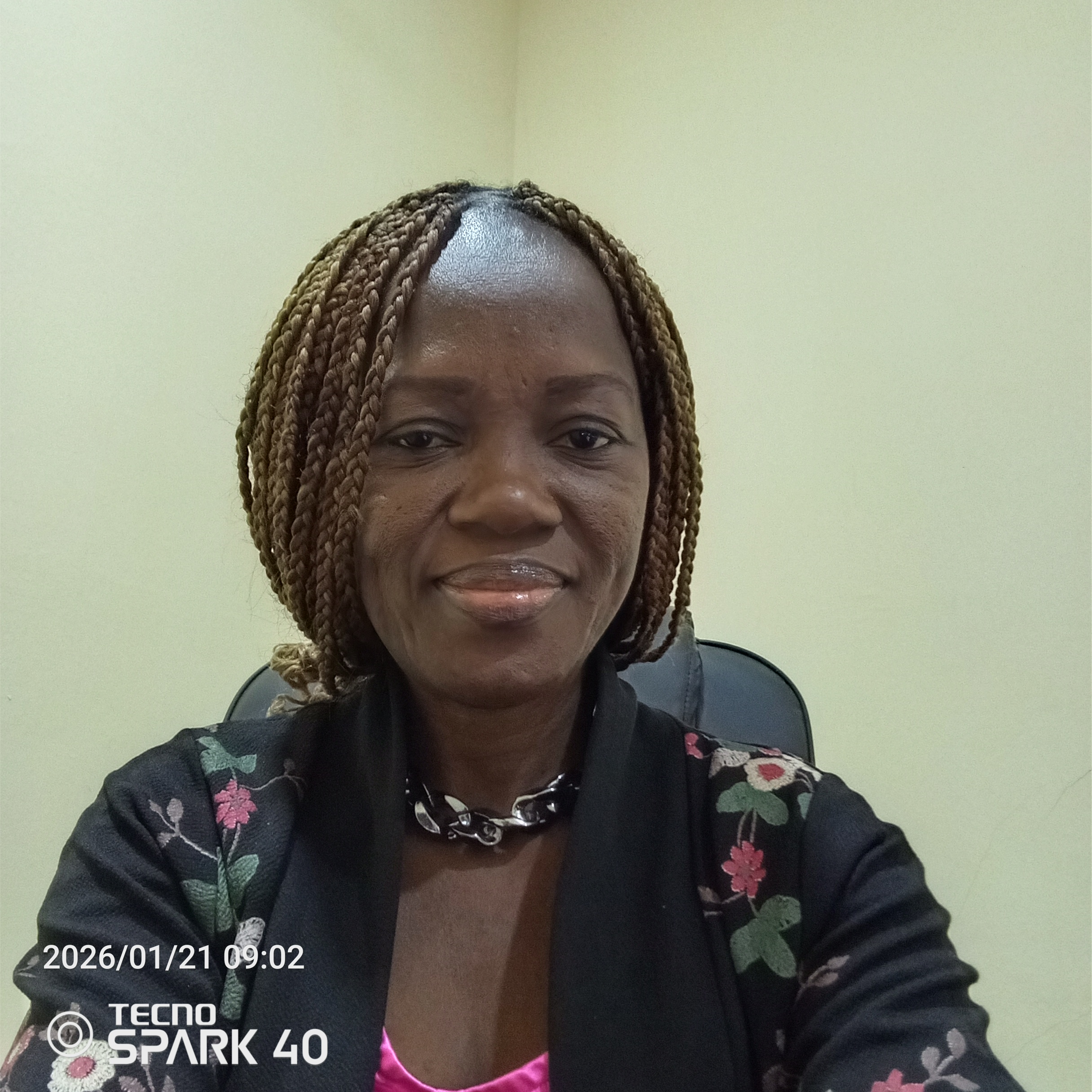

Dr Oreoluwa Abraham Solomon
Senior Lecturer
Pragmatics, Sociolinguistics, Applied Linguistics
View Profile


Dr Esther Amiemenomoh Michael
Senior Lecturer
Dr Micheal's research interests focus on French language and Linguistics, FLE( French as a foreign language) FOS ( French for specific purposes), Creative Thinking and Research methodology.
View Profile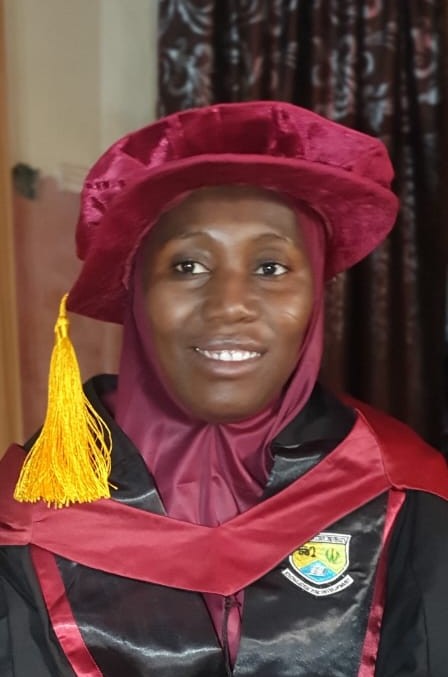
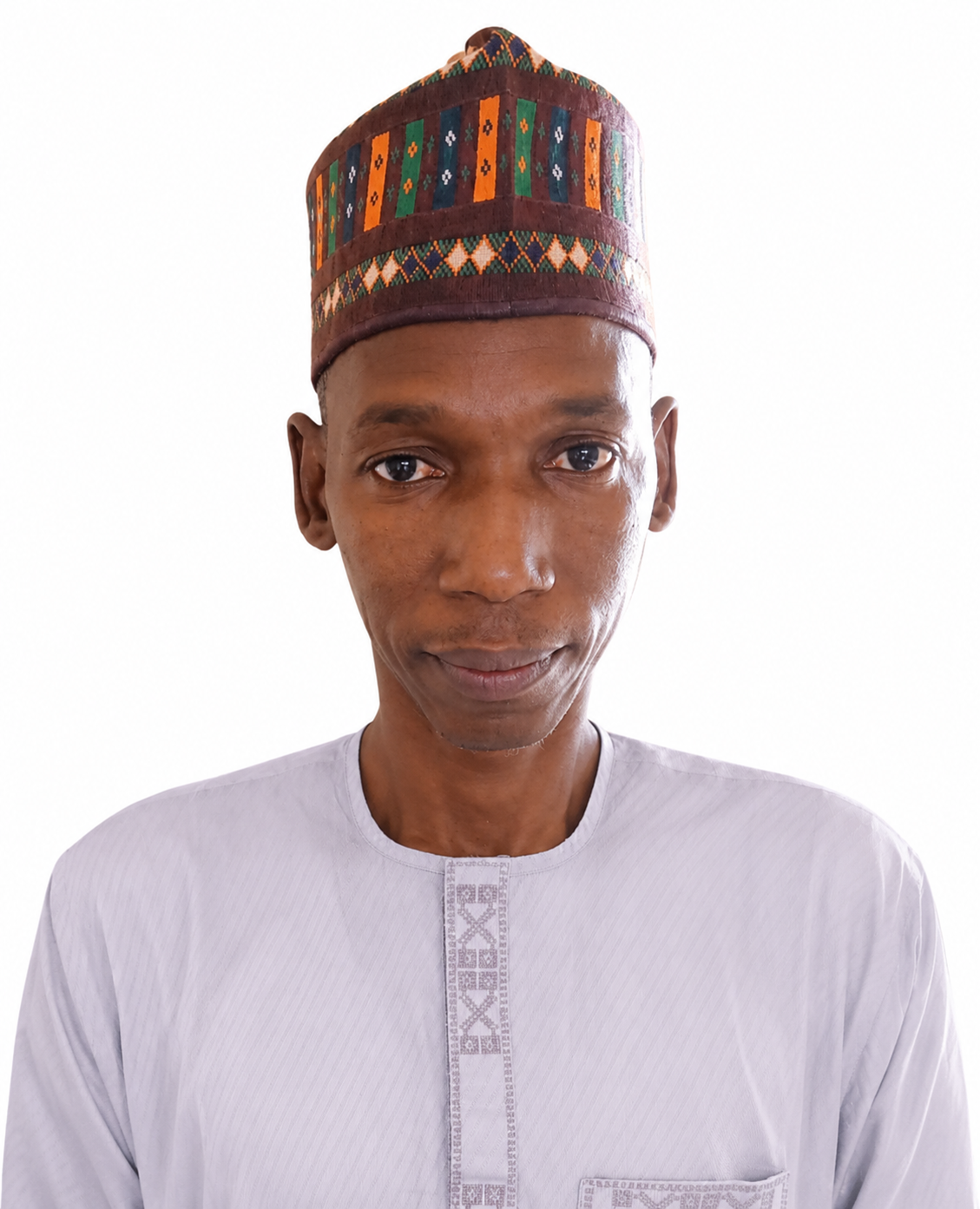


Mr Jimoh Saheed Abiola
Assistant Lecturer
Linguistics (Discourse analysis)- Political and Media discourse
View Profile
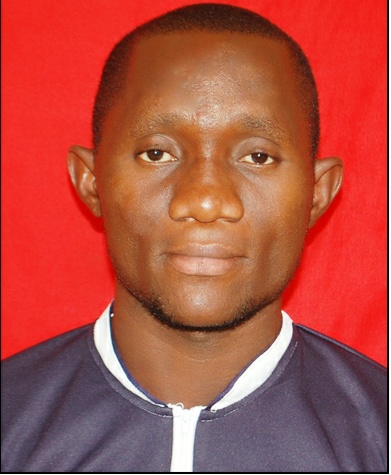
Mr Okwori Emmanuel Loture
Assistant Lecturer
French language and Linguistics, FLE and FOS.
View Profile
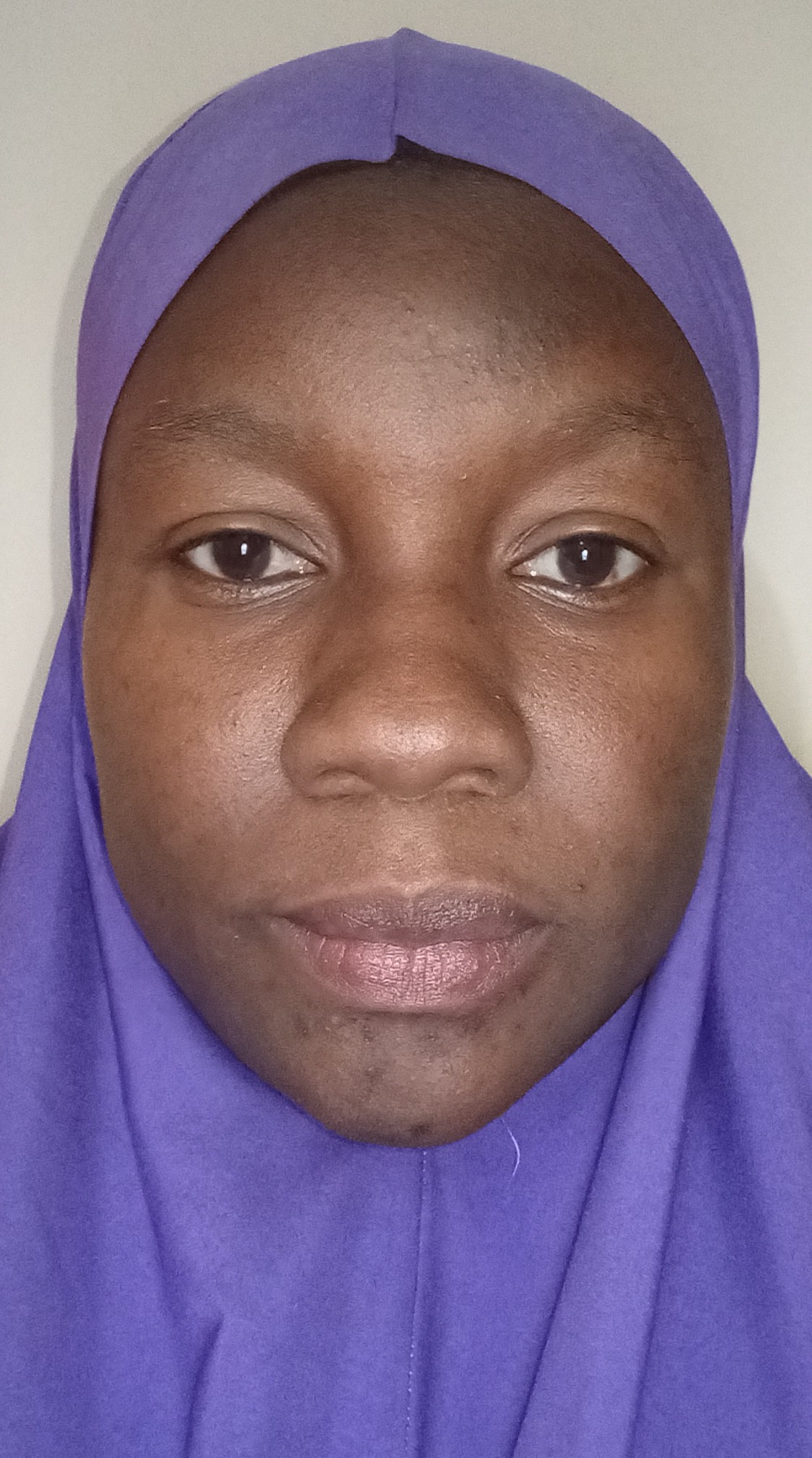


Ms Okoroafor Charity Nwanneka
Graduate Assistant
French as Foreign Language (FLE), French language and studies
View Profile
Department Info
- Academic Staff
- 24
Parent Faculty