About the Department
The Department of Biotechnology in the Faculty of Science, Nigerian Defence Academy was created from the already existing Department of Biological Sciences. The Department was created in November, 2019 to address the death of the critical mass of human resources required for modern biotechnology research and teaching which the current mainstay of global trends in biotechnology is. The Department which already has a well-established and vibrant post graduate programme in Biotechnology boasts of a well-equipped Biotechnology Laboratory and a crop of seasoned and competent academic and technical staff involved in lecturing and research in Biotechnology.
OBJECTIVE OF THE BIOTECHNOLOGY DEGREE PROGRAMME
This innovative program will help cadets develop critical-thinking and practical skills on key modern biotechnology applications in military.
- To develop cadets ability to diagnose research problems, conceptualize ideas, develop procedures, evaluate reports and efficiently disseminate findings for the benefit of the Armed forces and the society
- To produce qualified officer cadets graduates of Biotechnology to meet the emerging need for Biotechnologists in the Armed forces and the Society.
- Provide Cadets with a balanced academic curriculum of study with a view to the application and operational needs of the Armed Forces of the Federal Republic of Nigeria.
- To produce officers who can explore and exploit indigenous natural resources through research and make meaningful contribution to the society.
Programmes Offered
The Department of Biotechnology offers a comprehensive undergraduate programme designed to equip cadets with a strong foundation in modern biotechnology. The programme combines rigorous theoretical instruction with practical laboratory training, enabling cadets to develop the knowledge, technical skills, and innovative mindset required to address challenges in healthcare, agriculture, environmental management, and industrial biotechnology especially within the military. Through a multidisciplinary curriculum, cadets gain hands-on experience in molecular biology, microbiology, genetics, biochemistry, bioinformatics, and bioprocess technology. Graduates of the programme are prepared for careers in research, military, industry, academia, government agencies, and entrepreneurship, while also possessing the requisite foundation for postgraduate studies and professional development in biotechnology and related fields.
Degree Awarded: Bachelor of Science (B.Sc.) in Biotechnology
Duration: Four (4) Years (UTME Entry)
Mode of Study: Full-Time
Accreditation Status: Fully Accredited by the National Universities Commission (NUC) and approved by the Senate of the Nigerian Defence Academy.
The Department of Biotechnology offers innovative and research-driven postgraduate programmes designed to develop highly skilled professionals, researchers, and academic leaders in the rapidly evolving field of biotechnology. Our postgraduate training combines advanced coursework, laboratory-based research, and interdisciplinary collaboration to address contemporary challenges in health, agriculture, industry, environmental sustainability, and national development.
Students benefit from mentorship by experienced faculty, access to modern research facilities, and opportunities to engage in research in areas such as molecular biotechnology, bioinformatics, microbial biotechnology, pharmaceutical biotechnology, environmental biotechnology, and bioprocess engineering. The programmes are structured to foster critical thinking, scientific innovation, and the practical application of biotechnology for societal impact.
The Department offers postgraduate programmes leading to the award of:
- Postgraduate Diploma in Biotechnology (PGDBT)
- Professional Master of Biotechnology (MBT)
- Master of Science (M.Sc.) in Biotechnology
- Doctor of Philosophy (Ph.D.) in Biotechnology
Our postgraduate programmes prepare graduates for successful careers in academia, research institutions, biotechnology industries, healthcare organizations, government agencies, and entrepreneurial ventures, while contributing to the advancement of scientific knowledge and technological innovation.
Mode of Study: Full-Time and Part-Time (where applicable)
Department Staff






Dr. Ugochukwu Okechukwu Ozojiofor
Lecturer I
Environmental Biotechnology, Fungal Biotechnology, Computational Biology and Bioinformatics, Enzyme Biotechnology.
View Profile
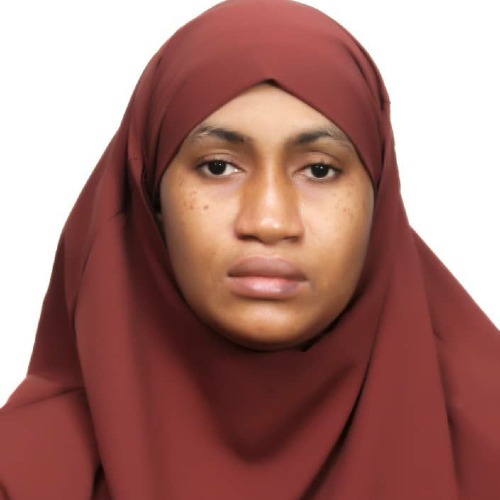











Mr Buhari Salisu
Graduate Assistant
Molecular Biotechnology, Bioinformatics, and Gene Therapy.
View Profile



Facilities
The Department of Biotechnology boasts modern teaching and research facilities in Molecular Biology, Microbiology, Biochemistry, Bioinformatics, Environmental Biotechnology. Equipped with PCR systems, spectrophotometers, centrifuges, biosafety cabinets, advanced microscopy facilities, and TETFund-supported research infrastructure, the Department provides a conducive environment for world-class teaching, research, innovation, and postgraduate training.
Research Focus Areas
- Molecular Biotechnology and Genetic Engineering
- Medical and Pharmaceutical Biotechnology
- Environmental Biotechnology and Bioremediation
- Microbial Biotechnology
- Bioinformatics and Computational Biology
- Natural Products and Drug Discovery
- Antimicrobial Resistance and Public Health Biotechnology
Key Achievements
- Full NUC accreditation maintained.
- Successful postgraduate programmes (PGDBT, MBT, M.Sc., and Ph.D. Biotechnology).
- Strong publication record in reputable peer-reviewed journals.
- Modern TETFund-supported laboratories for teaching and research.
- Significant contributions to indigenous biotechnology research and innovation.
- Capacity building through advanced training, research, and mentorship.
Department Info
- Faculty
- Faculty of Science
- Academic Staff
- 23
Parent Faculty